The Unrivaled Giant: Why No One's Topped the Burj Khalifa Yet (And Was It Worth It?)
The Burj Khalifa has stood as the world's tallest building for over a decade. This post explores the complex reasons why no one has topped its height yet, from astronomical costs and engineering limits to practical demand.

Introduction: A Monument to Ambition
Since its grand opening in 2010, the Burj Khalifa in Dubai has stood as an undisputed champion, the tallest building in the world. Reaching an astounding 828 meters (2,717 feet) into the sky, it's a testament to human ingenuity and ambition. But over a decade later, why has no other structure managed to claim its crown? And, looking back, was this monumental undertaking truly worth the colossal effort and expense?
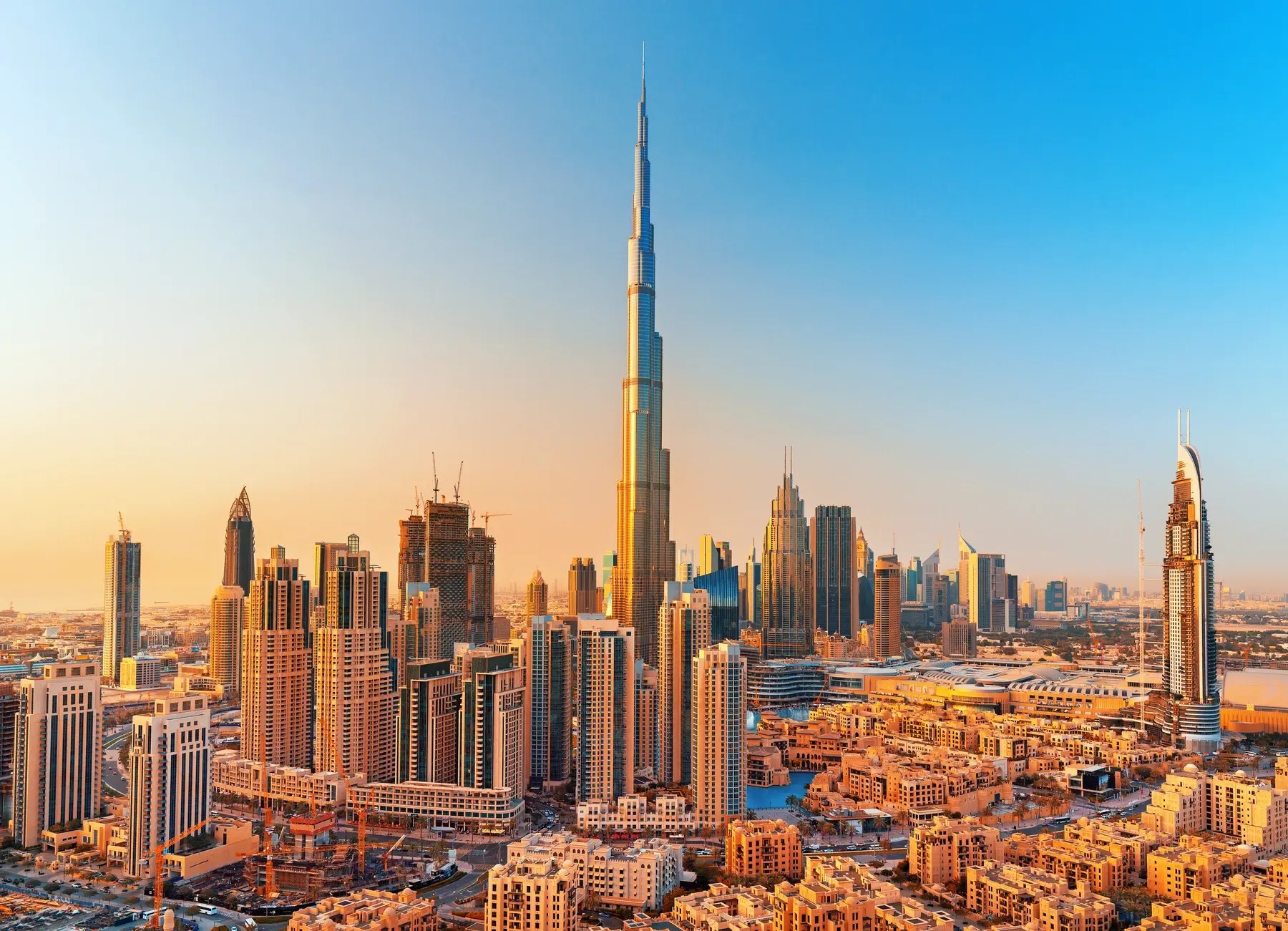
The Sky's the Limit... Or Is It? Why No One Has Surpassed the Burj Khalifa
Building something taller than the Burj Khalifa isn't just about adding more floors; it involves overcoming a series of complex challenges that push the boundaries of what's possible.
1. The Astronomical Price Tag
The cost of constructing a supertall skyscraper is staggering. The Burj Khalifa itself cost approximately $1.5 billion. Building something even taller would require an even greater investment, potentially running into many billions. In a global economy that has faced various challenges, finding investors willing to pour such immense sums into a project that offers limited practical return beyond prestige is incredibly difficult. The financial risks are enormous, and the economic benefits often don't outweigh the costs for purely height-driven projects.
2. Engineering at the Edge
Every meter added to a supertall building introduces new engineering hurdles. Wind forces become extreme, requiring innovative designs to prevent sway and ensure stability. Materials must be incredibly strong yet lightweight. Pumping concrete to such heights, managing elevator speeds, and ensuring safety in case of emergencies all become exponentially more complicated and expensive. The Burj Khalifa's 'buttressed core' design, for example, was a groundbreaking solution to these challenges. To go higher would demand even more revolutionary, and costly, engineering.
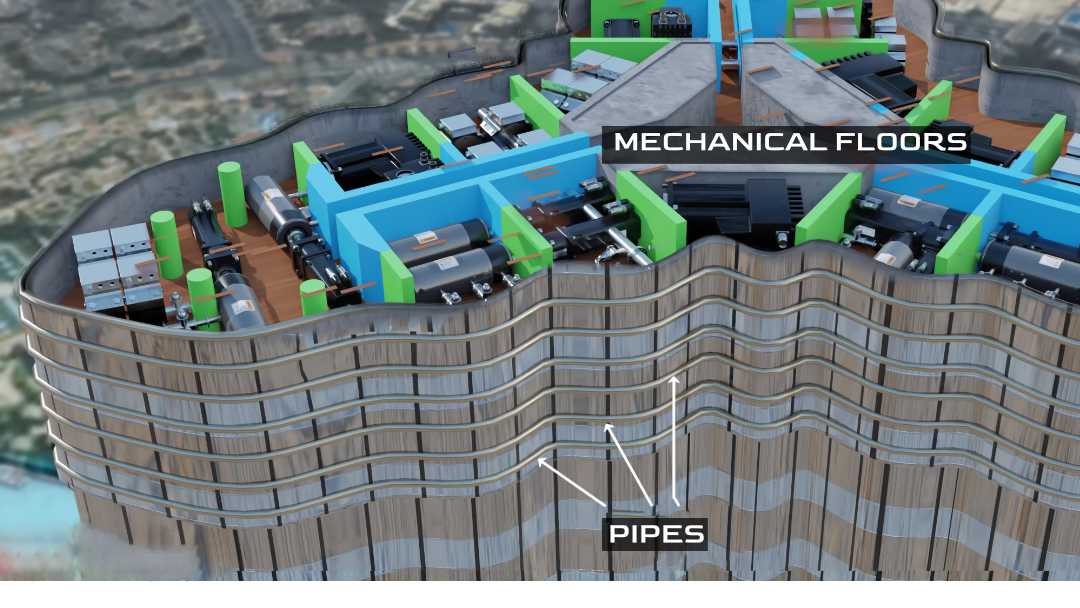
3. A Question of Practicality and Demand
Beyond the technical and financial aspects, there's a fundamental question: Is there a real need for even more extremely tall buildings? Most cities can accommodate growth through horizontal expansion or by building structures that are tall but not necessarily 'supertall.' The demand for premium office or residential space at the very top of the world's tallest building is finite. Many developers are now focusing on sustainable, smart, and community-oriented designs rather than just chasing height records.
Was It Worth the Climb? The Legacy of the Burj Khalifa
The 'worth' of the Burj Khalifa is a complex question with both clear benefits and significant drawbacks.
1. A Beacon for Tourism and National Pride
Undeniably, the Burj Khalifa put Dubai firmly on the global map. It became an instant icon, a symbol of ambition and rapid development. It attracts millions of tourists annually, boosting Dubai's economy through tourism, hospitality, and retail. For the UAE, it's a powerful statement of national pride and a demonstration of their ability to achieve the seemingly impossible. It diversified Dubai's economy away from oil, establishing it as a global hub for business and leisure.
2. Economic Catalyst or Costly Statement?
While the initial cost was immense, the Burj Khalifa is part of a larger development that includes the Dubai Mall and numerous residential and commercial spaces. This integrated approach helped make it more economically viable. It spurred real estate development in the surrounding area and created jobs. However, critics point to the massive investment that could have been used for other social or infrastructure projects, and the environmental footprint of such a massive construction is significant.
3. The Human and Environmental Footprint
The construction of the Burj Khalifa relied heavily on a large workforce, often migrant laborers, raising questions about labor conditions and welfare. Environmentally, supertall buildings consume vast amounts of energy for cooling, heating, and lighting. While efforts were made to incorporate sustainable features, the sheer scale of the building means its overall impact is substantial. Balancing these factors is crucial when evaluating its long-term worth.
The Future of Supertall Structures
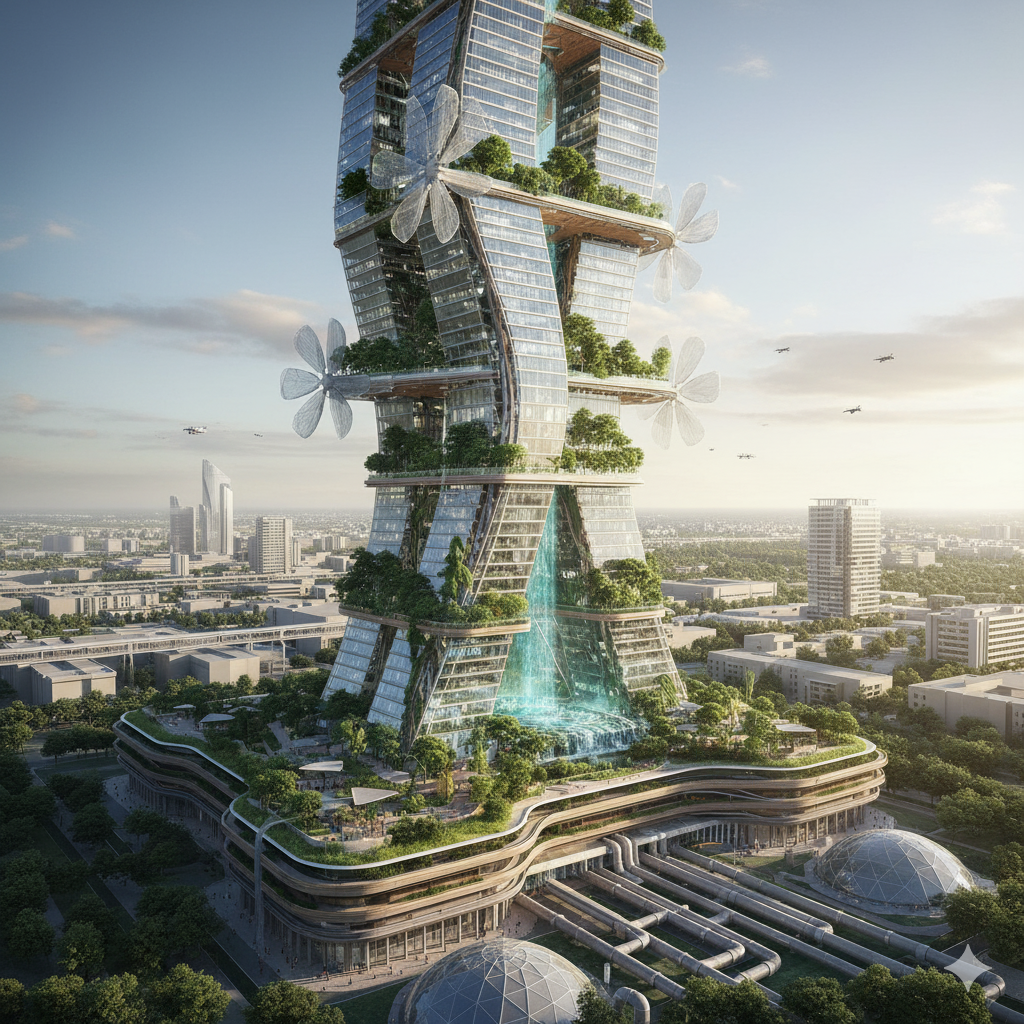
While the Burj Khalifa's reign continues, the focus for future supertall buildings might shift. Instead of just height, developers could prioritize sustainability, smart technology, mixed-use functionality, and community integration. Projects like the Jeddah Tower, planned to surpass the Burj Khalifa, have faced significant delays, highlighting the challenges. For now, the Burj Khalifa remains a singular achievement, a reminder of what happens when vision, resources, and engineering prowess converge to touch the clouds.
Stay Informed About Real Estate
Get weekly updates on market trends, investment opportunities, and expert advice.
You Might Also Like
UAE Petrol Prices & Real Estate: Understanding the Market Link
Explore how fluctuating UAE petrol prices subtly influence the real estate market, from commuting choices to development costs and property demand.

Sell Your Unit Fast: Maximize Leads & Price with Harvd Real Estate LLC
Discover why partnering with a good real estate agency is crucial for maximizing leads and securing top dollar.offering extensive lead generation, expert negotiation, and a seamless selling process.
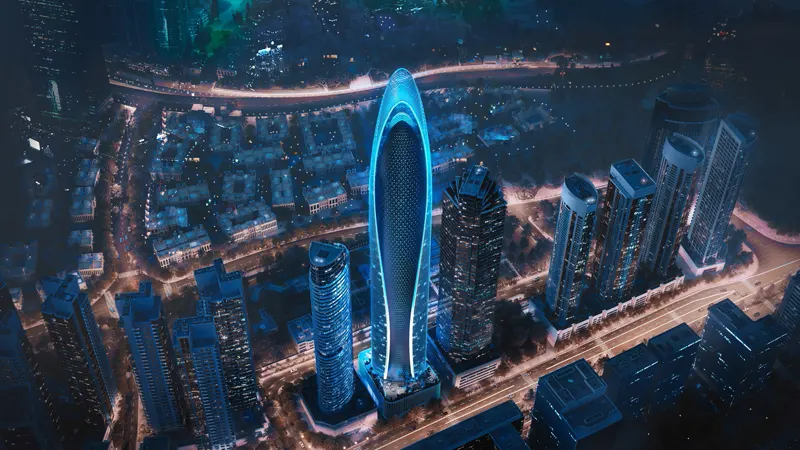
Investing in Vision: Unpacking Binghatti Development's Success and Investment Appeal
Discover Binghatti Development: a leading UAE real estate developer known for iconic designs, core values of innovation and quality, and ambitious plans.
UAE's 1% Payment Plans: Good for Investors? Impact on the Market
UAE developers are increasingly offering 1% monthly payment plans for properties. This blog post explores if this trend is beneficial for investors, the potential challenges, and its broader impact on the UAE real estate market.